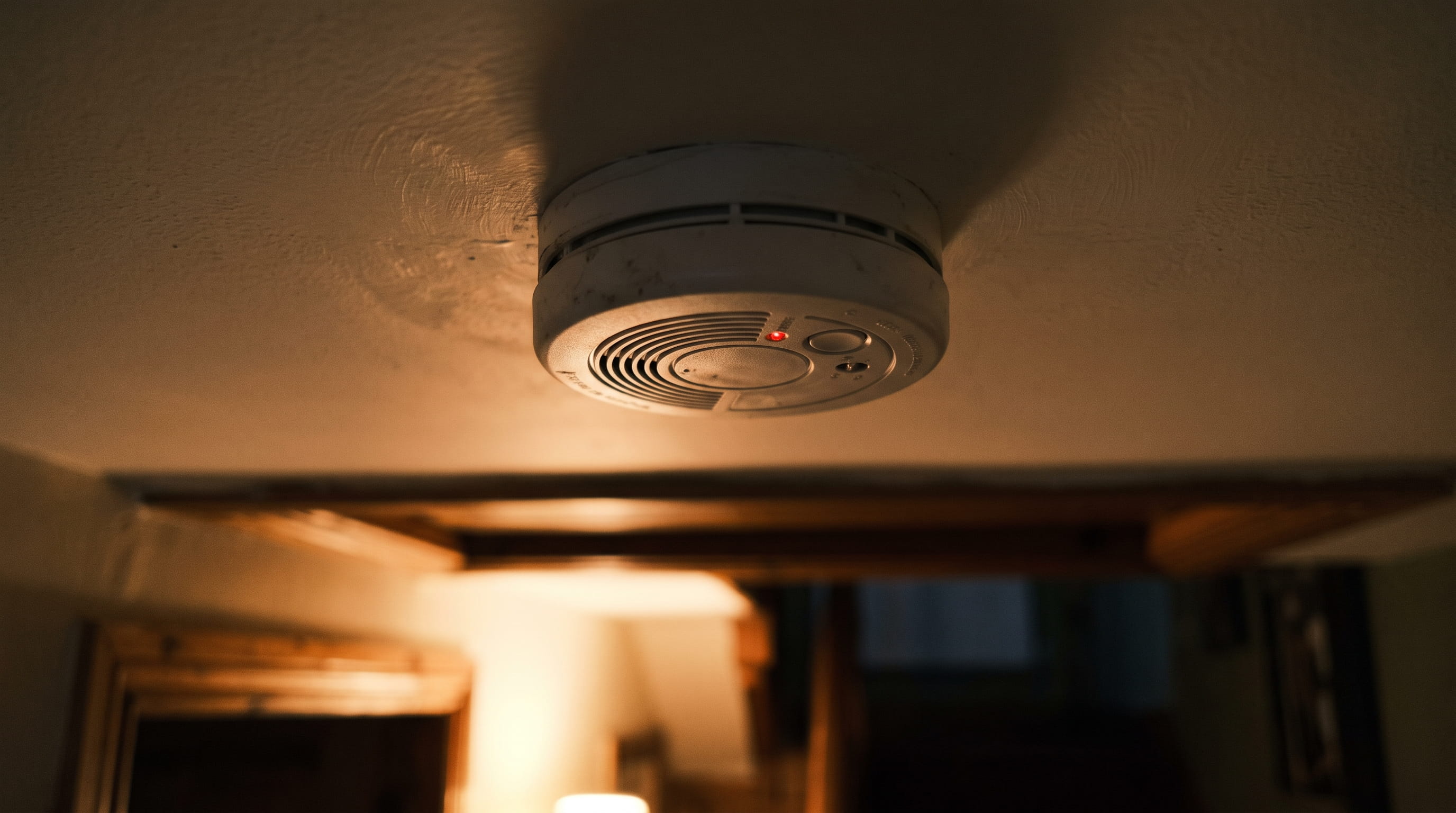
Most people fit smoke detectors and forget about them. You press the test button every now and then, hear the beep, and assume everything is grand. But smoke detectors don't last forever, and an alarm that's past its lifespan might not go off when you actually need it.
Smoke detectors should be replaced every 10 years, regardless of whether they still appear to be working. That applies to battery-only units, mains-powered alarms and sealed lithium battery models alike. After a decade, the sensors inside degrade and become less reliable at detecting smoke particles. Even if the test button still beeps, it doesn't mean the unit will respond properly in a real fire.
For homeowners across Dublin and the rest of Ireland, staying on top of smoke detector replacement isn't just good practice. It's tied to Irish building regulations, insurance requirements and (for landlords) legal obligations. Here's what you need to know about when and why to replace your smoke alarms.
How Long Do Smoke Detectors Last?
Most manufacturers rate their smoke detectors for a 10-year lifespan. After that point, the photoelectric or ionisation sensors inside the unit start to lose sensitivity. Dust, moisture and general wear take their toll over a decade, even if the alarm has never been triggered by an actual fire.
Mains-powered detectors (the kind hardwired into your home's electrical system) last the same 10 years as battery-only units. The difference is that mains-powered alarms tend to be more reliable during their working life because they aren't dependent on a battery that could run flat without you noticing. If your home has had a full rewire in the last few years, your smoke detectors may have been replaced as part of that work, so check the installation date.
Sealed lithium battery detectors, which are common in older rental properties, also follow the same 10-year rule. These units have a built-in end-of-life warning that chirps when the battery (and the detector itself) needs to be retired.
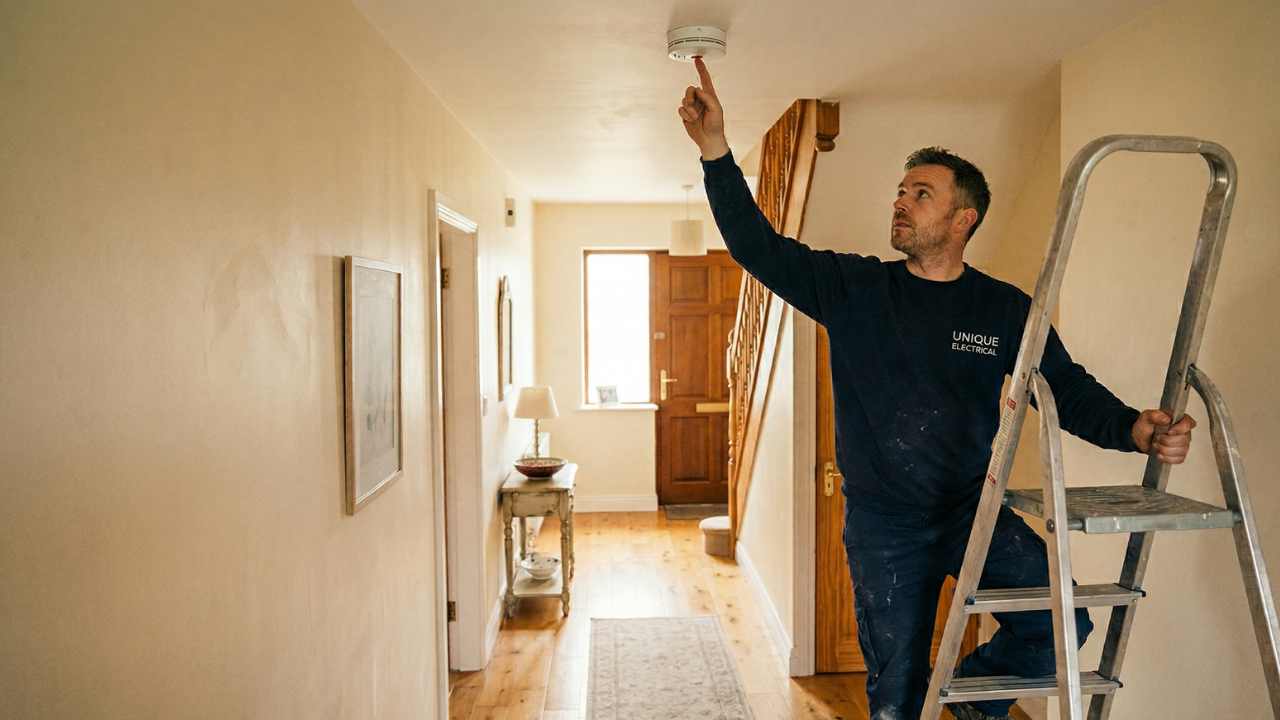
You can usually find the manufacture date printed on the back or side of the detector. If there's no date visible, and you can't remember when it was installed, it's safest to replace it.
What Are Signs a Smoke Detector Needs Replacing?
Don't wait for the 10-year mark if your alarm is already showing problems. There are clear warning signs that a smoke detector is failing or past its best.
- Persistent chirping even after you've changed the battery.
- Yellowing or discolouration on the casing (a sign of age and UV exposure).
- False alarms going off without any smoke or steam present.
- No response at all when you press the test button.
- Visible damage, cracks or loose fittings.
- You simply can't remember when it was installed.
If your detectors are part of an older electrical system that hasn't been inspected in years, it's worth getting the whole setup checked rather than just swapping individual units. A qualified electrician can assess whether your current system meets modern standards.
What Do Irish Building Regulations Require?
Ireland's building regulations for fire safety in homes are covered under Part B of the Building Regulations, with specific guidance set out in I.S. 3218:2013+A1:2019. Since 2017, all new builds, refurbishments and full rewires must comply with Part 10 of this standard.
Minimum Requirements for Homes
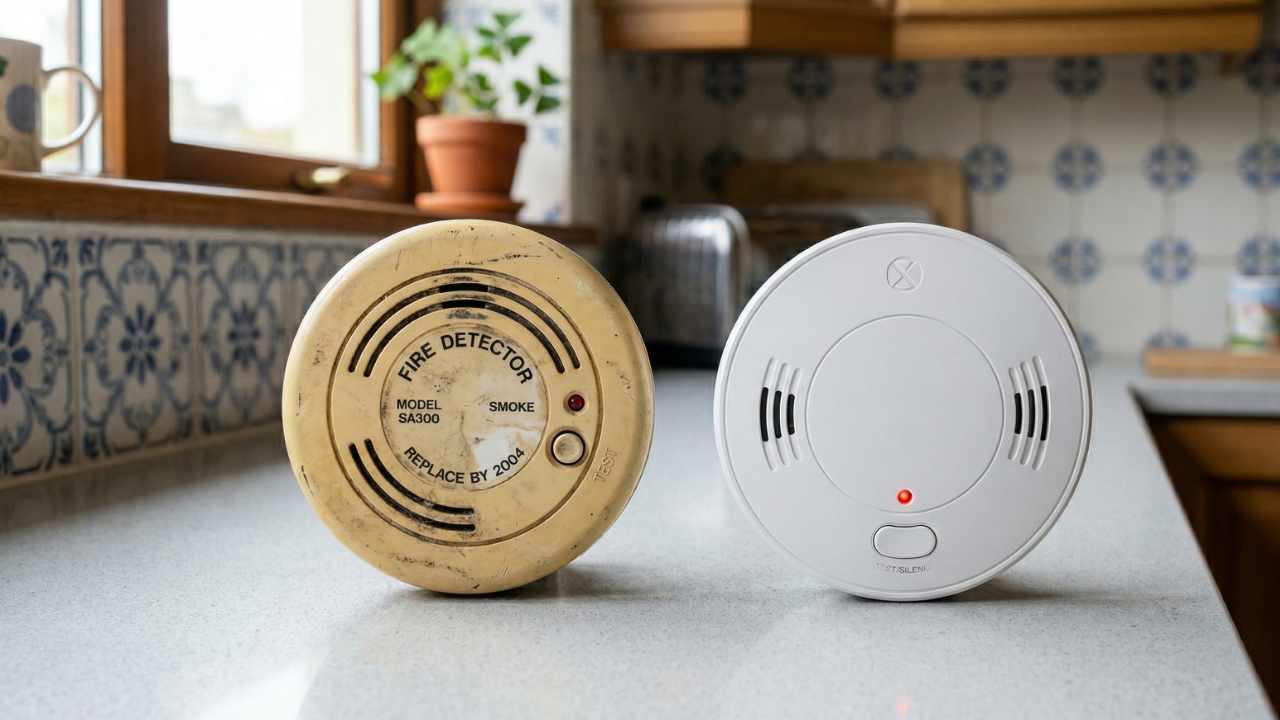
For a standard dwelling house of up to three storeys, the minimum level of fire detection required is Category LD2. In practical terms, this means mains-powered, interconnected smoke and heat detectors installed in hallways, landings, the kitchen (heat detector) and the principal living room. All alarms must be linked so that if one sounds, they all sound together.
Older homes built before these regulations came into effect may still have standalone battery detectors. While there's no legal requirement to retrospectively upgrade an existing home to the 2017 standard (unless you're doing a rewire or renovation), it's strongly recommended. A periodic electrical inspection will flag any shortcomings in your fire detection setup.
Landlord Obligations
If you're a landlord, your responsibilities go further. Rental properties must have working smoke alarms, and the Health and Safety Authority recommends that fire detection systems are maintained and tested regularly. Detectors with sealed 10-year batteries are commonly used in rental properties, but once those 10 years are up, the entire unit needs replacing, not just the battery.
Should You Replace Smoke Detectors Yourself?
If your smoke detectors are standalone battery-only units, swapping them out is fairly simple. You remove the old unit, screw in the new one and pop in a battery. No electrician needed for that.
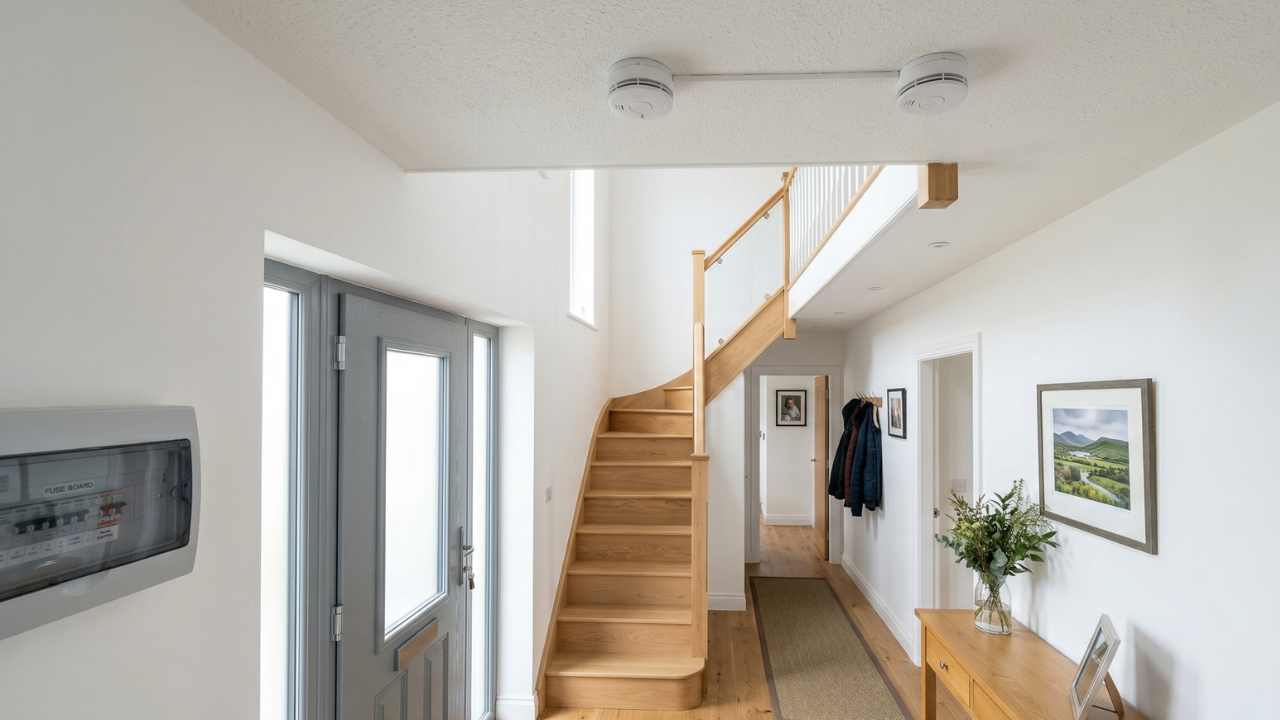
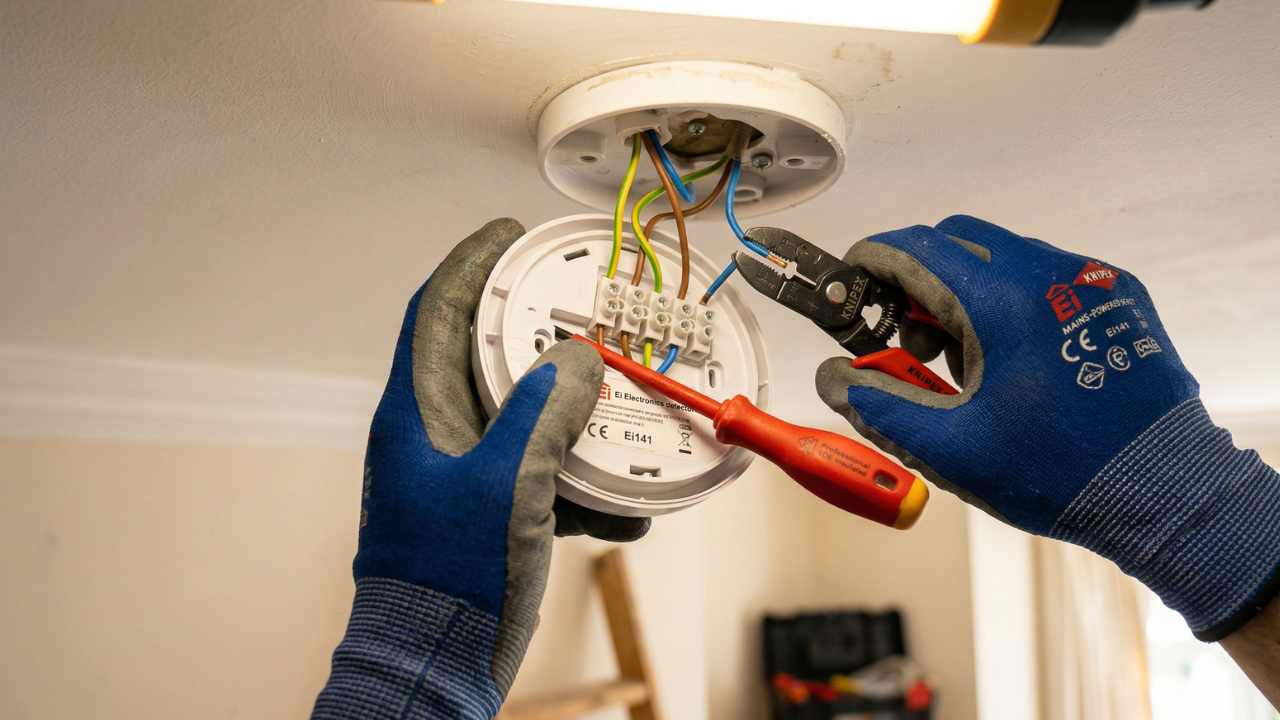
But if your home has mains-powered or hardwired smoke detectors (which is the case for most homes built or rewired since the late 1990s), replacement should always be carried out by a Safe Electric registered electrician. These detectors are wired into your home's electrical circuits, and incorrect installation can create a fire risk rather than prevent one.
A registered electrician will also make sure your replacement detectors are properly interconnected. There's no point having five alarms in the house if only the one nearest the fire goes off. When a professional handles the job, they'll test every unit, confirm interconnection is working and issue a certificate of compliance for the work carried out.
How Much Does Smoke Detector Replacement Cost?
Costs vary depending on the number of detectors, whether you're upgrading from battery to mains-powered and how much wiring work is involved. For a straightforward like-for-like replacement of mains-powered detectors in a three-bed semi, you'd typically be looking at between €150 and €400 including parts and labour. If your home needs a full upgrade from standalone battery alarms to an interconnected mains-powered system, the cost will be higher, particularly if new cabling is required.
It's worth noting that a fuse board upgrade is sometimes recommended alongside smoke detector replacement, especially in older homes where the consumer unit doesn't have adequate RCD protection. Bundling the work together can save on call-out fees and ensure your entire electrical system is brought up to scratch at once.
Getting a few quotes from Safe Electric registered contractors is always a good idea. Any reputable electrician will give you a free quote with no hidden charges and explain exactly what's needed before starting the work.
When Should You Call a Professional?
Replacing smoke detectors isn't something to put on the long finger. If your alarms are over 10 years old, showing signs of failure, or you're unsure whether your home meets current Irish standards, get them checked sooner rather than later. A few hundred euro spent now is nothing compared to the cost of a house fire.
At Unique Electrical, we install and replace smoke detectors across Dublin, Kildare, Meath and Wicklow. Every job comes with a certificate of compliance and a warranty, and we offer free quotes with no hidden charges. Give us a call on (01) 697 1995 or request a quote through uniqueelectrical.ie to get your home's fire detection sorted.