So an appliance just failed its PAT test. Now what? It happens more often than you might think, especially in busy workplaces where equipment gets heavy use. The good news is that a failed test doesn't have to turn into a crisis, as long as you handle it correctly.
If an appliance fails a PAT test, you need to immediately take it out of service, label it clearly as failed, and decide whether to repair or replace it. Only a competent person should carry out any repair, and the item must pass a retest before it goes back into use. You also need to record the failure and keep that documentation for at least five years.
Ignoring a failed result isn't just risky. Under Irish health and safety law, it could land you with serious fines and leave your business exposed to insurance problems. Here's exactly what you need to do, step by step.
What Does It Mean When An Appliance Fails?
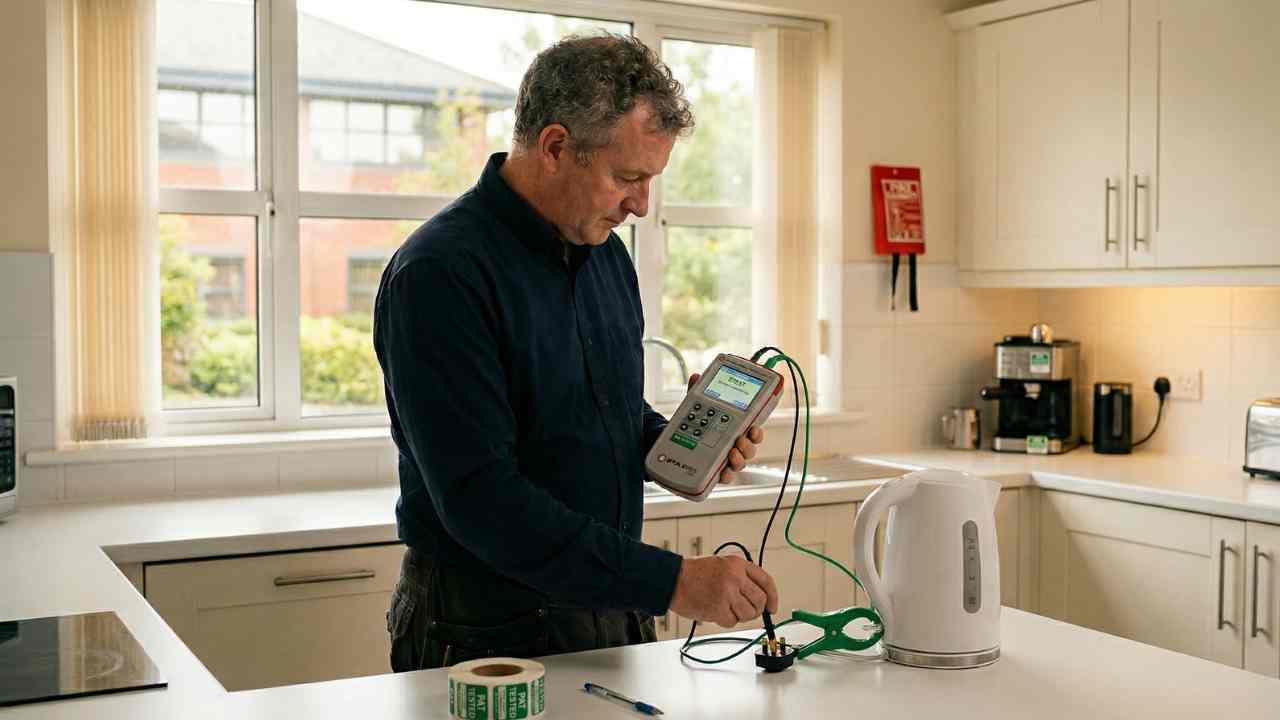
A PAT test checks whether a portable electrical appliance is safe to use. The process involves both a visual inspection and a series of electrical tests using specialist equipment. When an item fails, it means something about that appliance poses a risk, whether that's damaged insulation, a faulty earth connection, a frayed cable, or a cracked casing.
Not every failure is dramatic. Sometimes it's something as simple as a worn plug or a loose connection that can be fixed quickly. Other times, the fault runs deeper and the appliance genuinely isn't safe to operate. Either way, the response needs to be the same initially.
The tester should flag the item immediately, and it must be removed from service. Under the Safety, Health and Welfare at Work (General Application) Regulations 2007, employers are legally required to ensure portable equipment is safe for use, and that means acting on failed results without delay. If you're unsure about your obligations, the Health and Safety Authority provides detailed guidance on electrical safety in the workplace.
What Steps Should You Take Straight Away?
Speed matters here. Once an appliance has been flagged as failed, there's a clear set of actions to follow.
Disconnect and Label
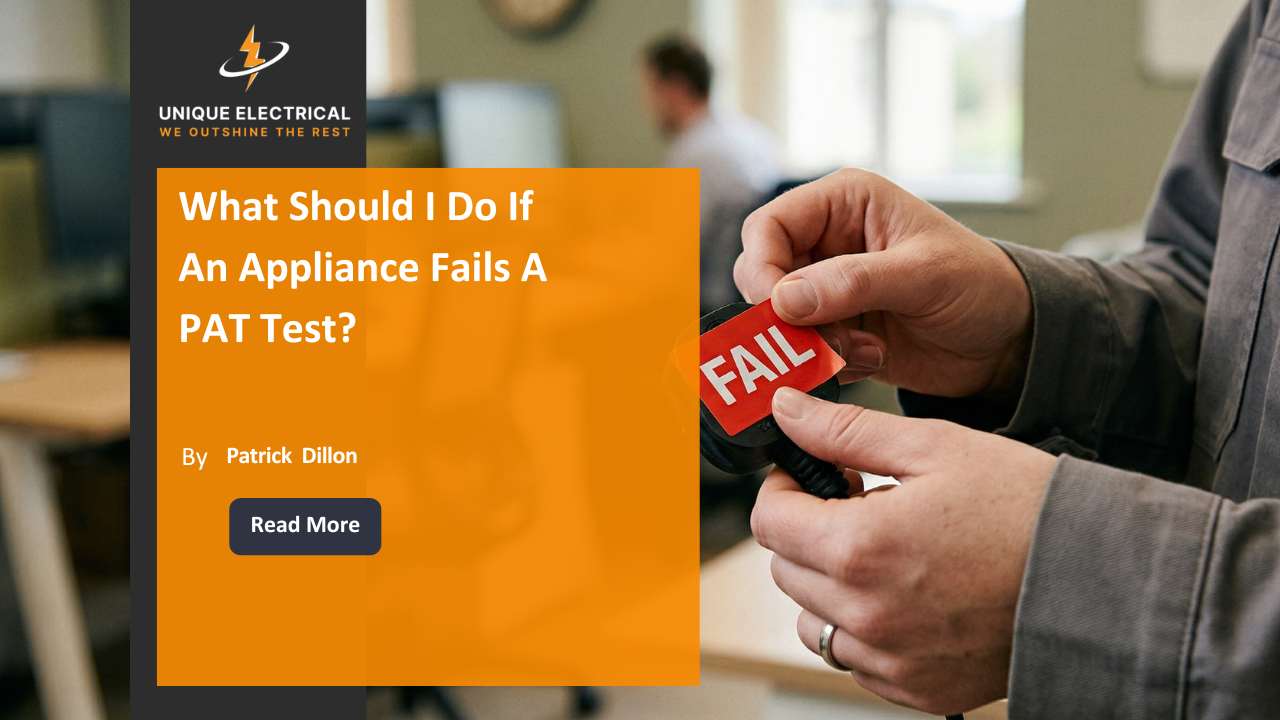
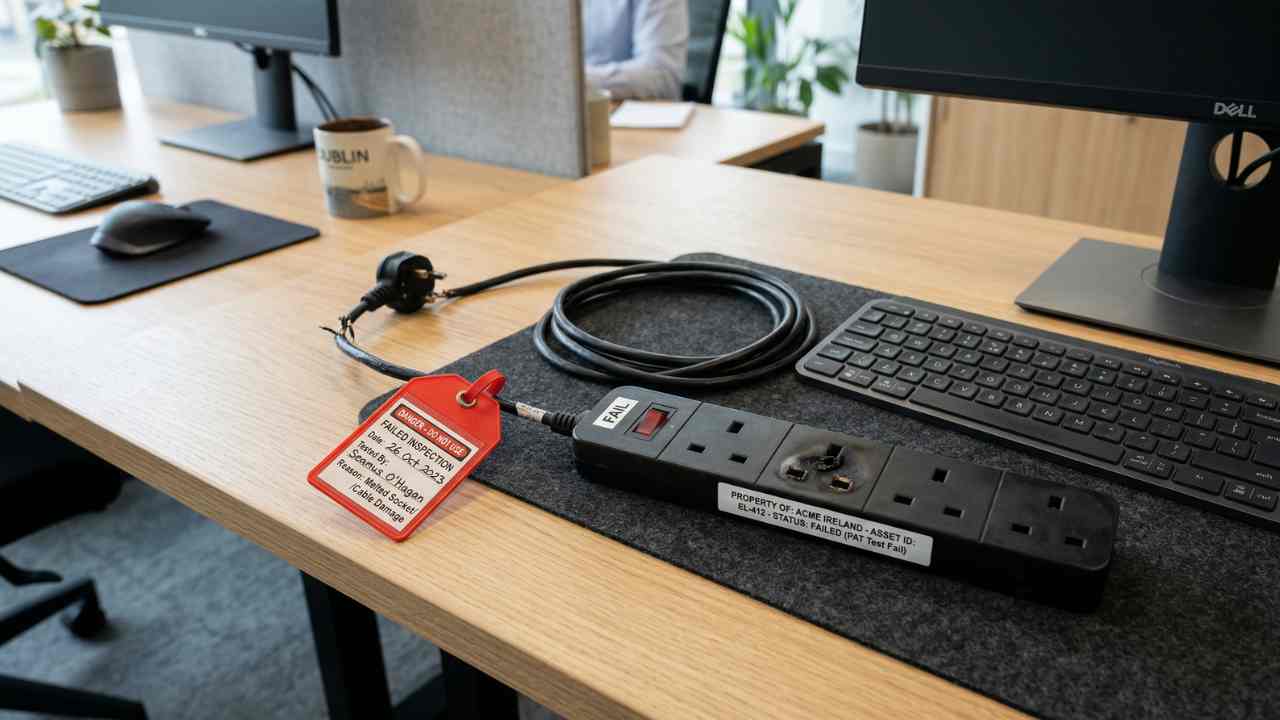
Unplug the appliance immediately and move it away from the work area. Attach a clear "FAILED" label or tag so nobody accidentally plugs it back in. In some workplaces, the plug is removed entirely to make sure the item can't be used.
This isn't just good practice. The regulations state that failed equipment must be clearly marked and taken out of service. A simple handwritten note won't cut it in a busy office or workshop. Use proper fail tags that include the date, the tester's name, and the reason for failure.
Decide Next Steps
You've got two options at this point. You can have the appliance repaired by a qualified electrician and then retested, or you can dispose of it and replace it with something new. The right choice depends on the nature of the fault and the age and condition of the appliance.
Should You Repair Or Replace A Failed Appliance?
This is probably the most common question after a failure. And the honest answer is: it depends.
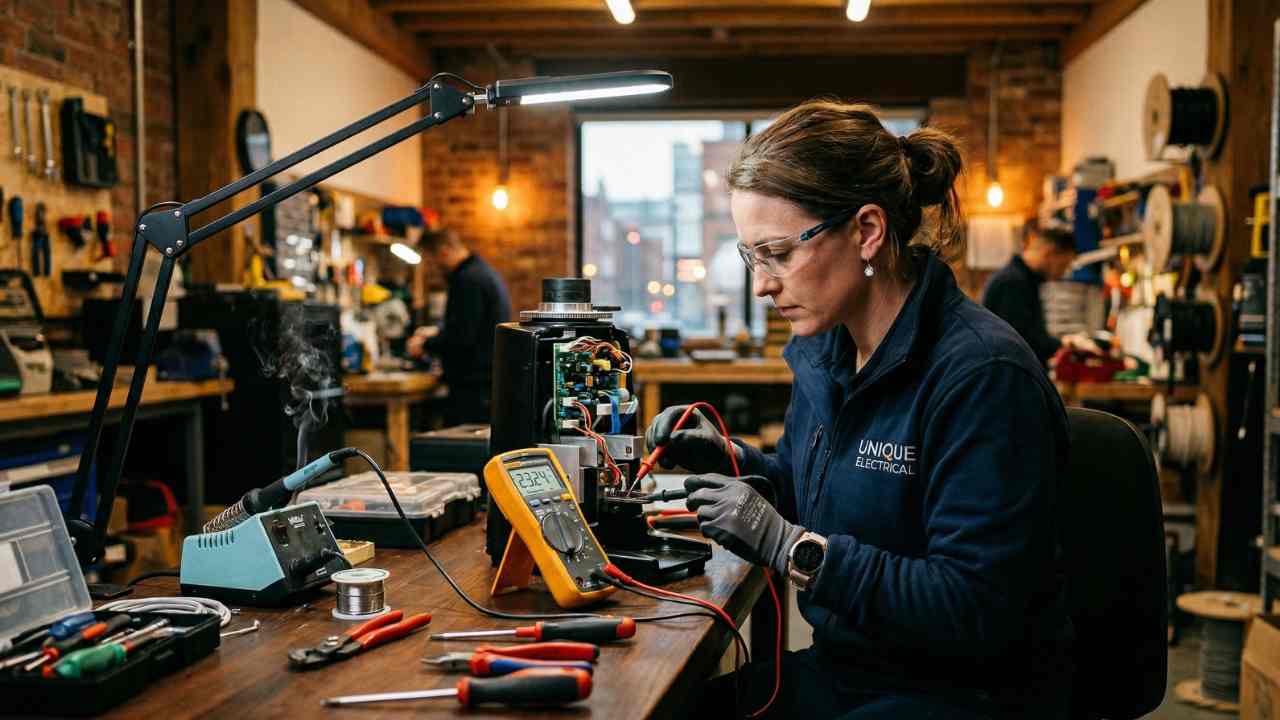
If the fault is minor (a damaged plug, a worn cable, or a loose terminal), a competent electrician can usually fix it quickly and affordably. Once repaired, the appliance must pass a full retest before it can go back into service. Don't skip this step. A repair without a retest doesn't count as compliant.
For older equipment or appliances with more serious faults (insulation breakdown, internal wiring issues, cracked casings), replacement is often the smarter move. Pouring money into repeated repairs for an ageing kettle or heater rarely makes financial sense. If your appliances are frequently failing tests, it may also point to a wider electrical issue worth investigating at the premises level.
When replacing, make sure the new item is suitable for its intended use and carries the correct CE marking. Cheap, uncertified appliances can create the exact problems you're trying to avoid.
What Records Do You Need To Keep?
Documentation is a big deal with PAT testing, and failures are no exception. Irish regulations require businesses to retain PAT testing records for at least five years from the date of the test. These records need to be available if requested by an HSA inspector or by any employee who uses the equipment.
For each failed appliance, your records should include:
- A description of the appliance and its unique asset ID or tag number.
- The date of the test and the name of the person who carried it out.
- The specific test results and the reason for failure.
- What action was taken (repaired and retested, or disposed of).
- If repaired, the date of the retest and the pass confirmation.
Keeping tidy records isn't just about compliance. It also helps you spot patterns, like a particular type of appliance that keeps failing, or a specific area of your building where equipment deteriorates faster. If you're managing a large number of appliances, regular periodic inspections of your wider electrical system can help catch problems before they reach the PAT testing stage.
How Can You Prevent PAT Test Failures?
Prevention beats cure every time. While you can't eliminate failures entirely, there are practical things you can do to reduce them.
Encourage staff to visually check equipment before each use. A quick look at the cable, plug, and casing takes seconds and can catch obvious damage before it becomes a test failure. This kind of user-level inspection is actually recommended by the HSA as the first line of defence.
Replace ageing appliances proactively. If a kettle or heater is ten years old and showing signs of wear, swapping it out before the next PAT testing session saves you the hassle of dealing with a failure on the day.
Treat cables and leads with respect. Most failures come down to physical damage rather than internal faults. Running cables under desks, across doorways, or through areas with heavy foot traffic is a recipe for trouble. Proper cable management reduces wear and keeps your pass rates higher.
Finally, make sure your testing is carried out by a competent professional using calibrated equipment. A proper test from a Safe Electric registered contractor gives you accurate results and legally sound documentation.

When Should You Call In A Professional?
If you're unsure about the severity of a failure, don't guess. A qualified electrician can assess the appliance properly and tell you whether repair is viable or replacement is the better option.
For businesses managing multiple sites or large inventories of equipment, scheduling regular PAT testing through a single provider makes everything simpler. You get consistent results, proper documentation, and someone who knows your setup from visit to visit.
A failed PAT test is a prompt to act, not a reason to panic. Disconnect the appliance, tag it, record the failure, and get it either repaired and retested or replaced. Staying on top of your testing schedule and keeping your records in order protects your staff, your business, and your peace of mind. Get in touch with Unique Electrical to book your next PAT testing session or to get advice on any failed appliances in your workplace.