Planning the electrical layout of your home is one of the most important steps in any renovation project. Good lighting and well-placed sockets can completely transform how each room feels and functions, making daily tasks easier and improving overall comfort.
Understanding how to choose the right lighting & socket layout for your home renovation helps you design spaces that are both practical and visually appealing. With the right approach, you can balance style, safety, and convenience throughout your home.
This guide will walk you through the key considerations to ensure your renovation results in a safe and well-designed electrical setup. You will learn how to select the right lighting and socket layout in line with safety standards and electrical regulations.
Let’s start!
How to Choose the Right Type of Lighting for Each Room?
Every room in your home serves a different purpose, so choosing the right lighting helps create comfort, functionality, and a balanced atmosphere.
1. Ambient Lighting
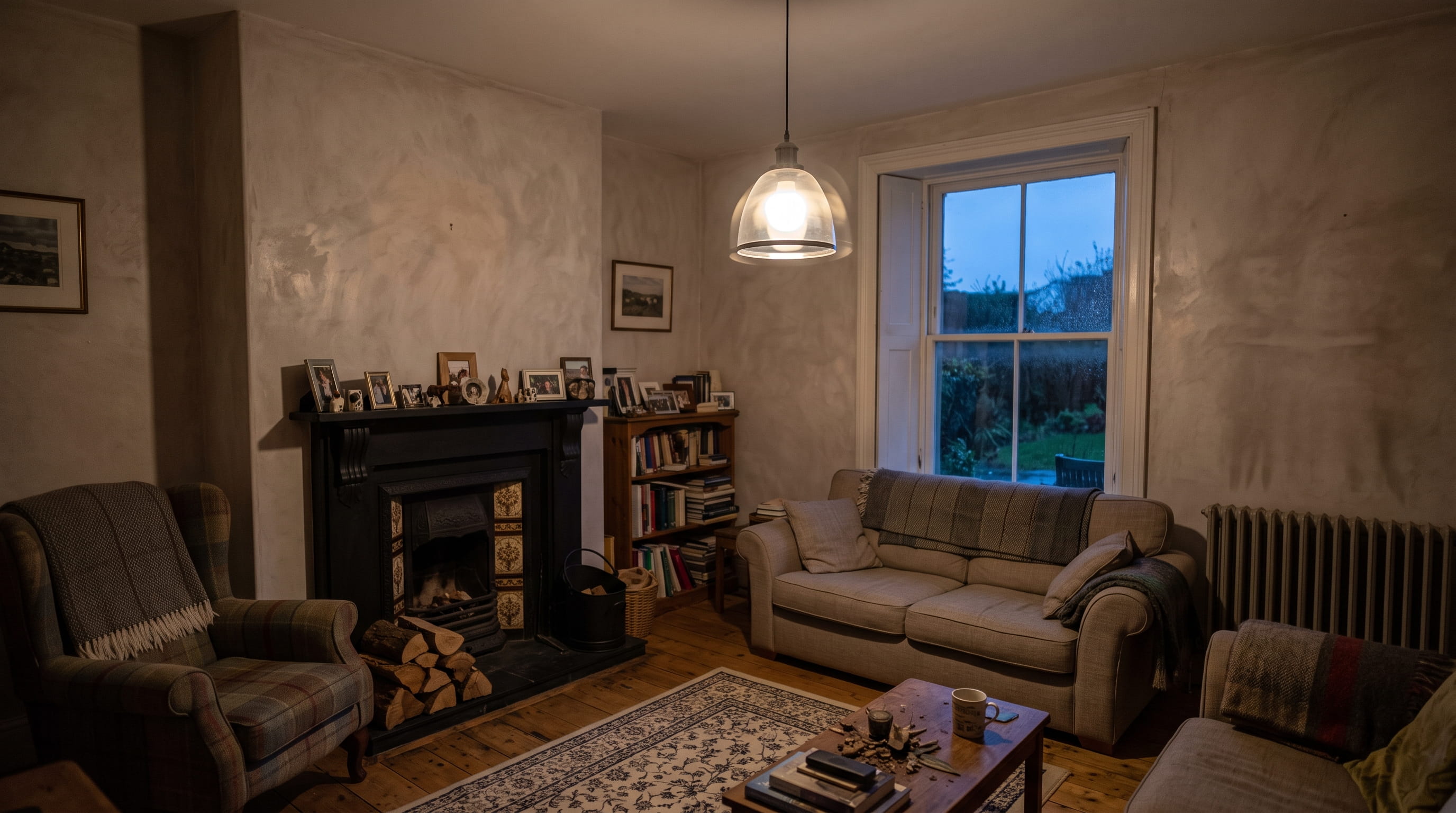
Ambient lighting provides the main source of illumination in a room, helping you move around safely and comfortably. Ceiling fixtures, pendants, and recessed lights all work well for this purpose. The goal is to create a soft, even glow that feels natural and welcoming.
2. Task Lighting
Task lighting focuses light where it’s needed most, such as reading areas, kitchen worktops, or home offices. It reduces eye strain by giving you a brighter, more direct source of light. Desk lamps, under-cabinet lights, and focused spotlights are all effective options.
3. Accent Lighting
Accent lighting adds visual interest by highlighting artwork, shelves, or architectural features. It helps create depth and draws attention to key areas of the room. Wall sconces, LED strips, and picture lights are often used for this purpose.
4. Decorative Lighting
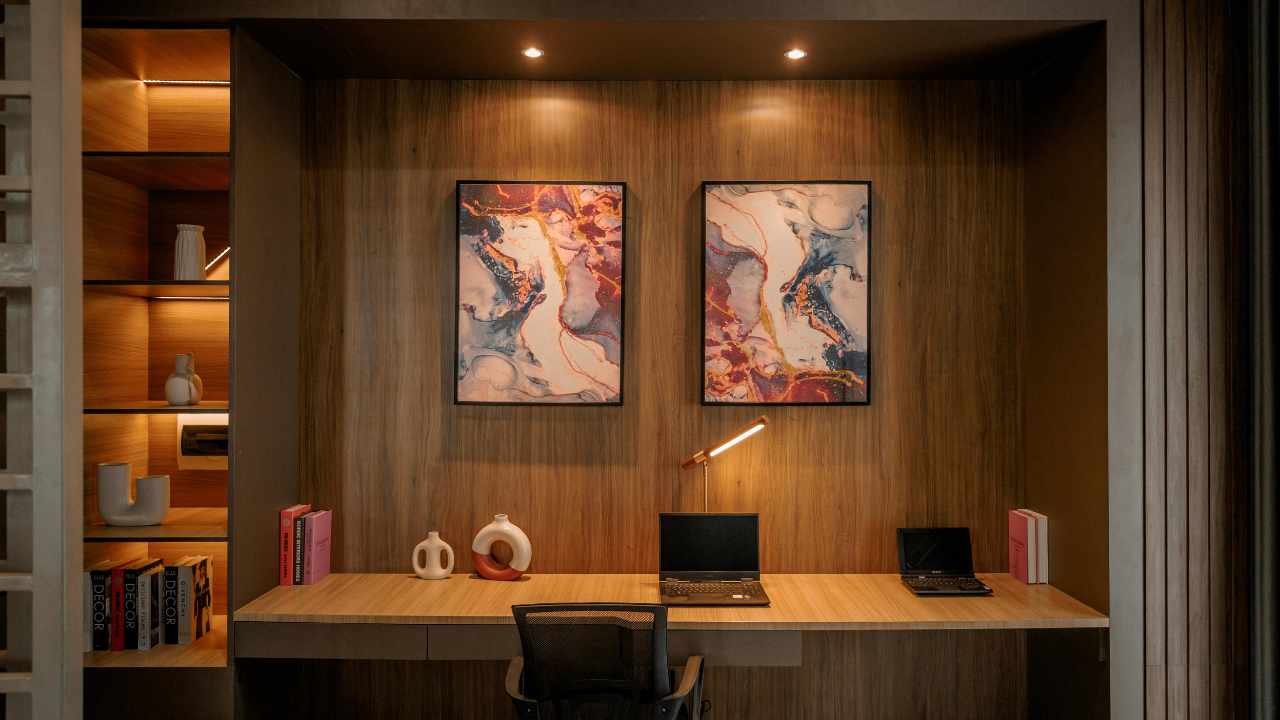
Decorative lighting serves both as illumination and a design feature, enhancing your room’s personality. Chandeliers, statement pendants, and stylish floor lamps make strong visual impressions. They work best when paired with softer background lighting.
5. Natural Lighting Considerations
Understanding how daylight enters your home helps you choose lighting that complements natural brightness. Rooms with large windows may need softer artificial lighting, while darker spaces require stronger fixtures.
Good planning ensures your lighting feels balanced throughout the day.
How to Plan an Efficient and Safe Socket Layout?
A well-designed socket layout makes your home easier to use, safer, and better prepared for modern electrical needs.
1. Plan Around Daily Use
Place sockets where you naturally use appliances, such as near bedside tables, worktops, desks, and seating areas. This prevents trailing cables and reduces reliance on extension leads. Planning around your routine ensures convenience in every room.
2. Follow Spacing Rules
Sockets should be evenly spaced throughout each room to avoid overloading a single point. Following regulations for height and positioning also improves accessibility.
Proper spacing keeps your electrical system safe and practical.
3. Plan Ahead
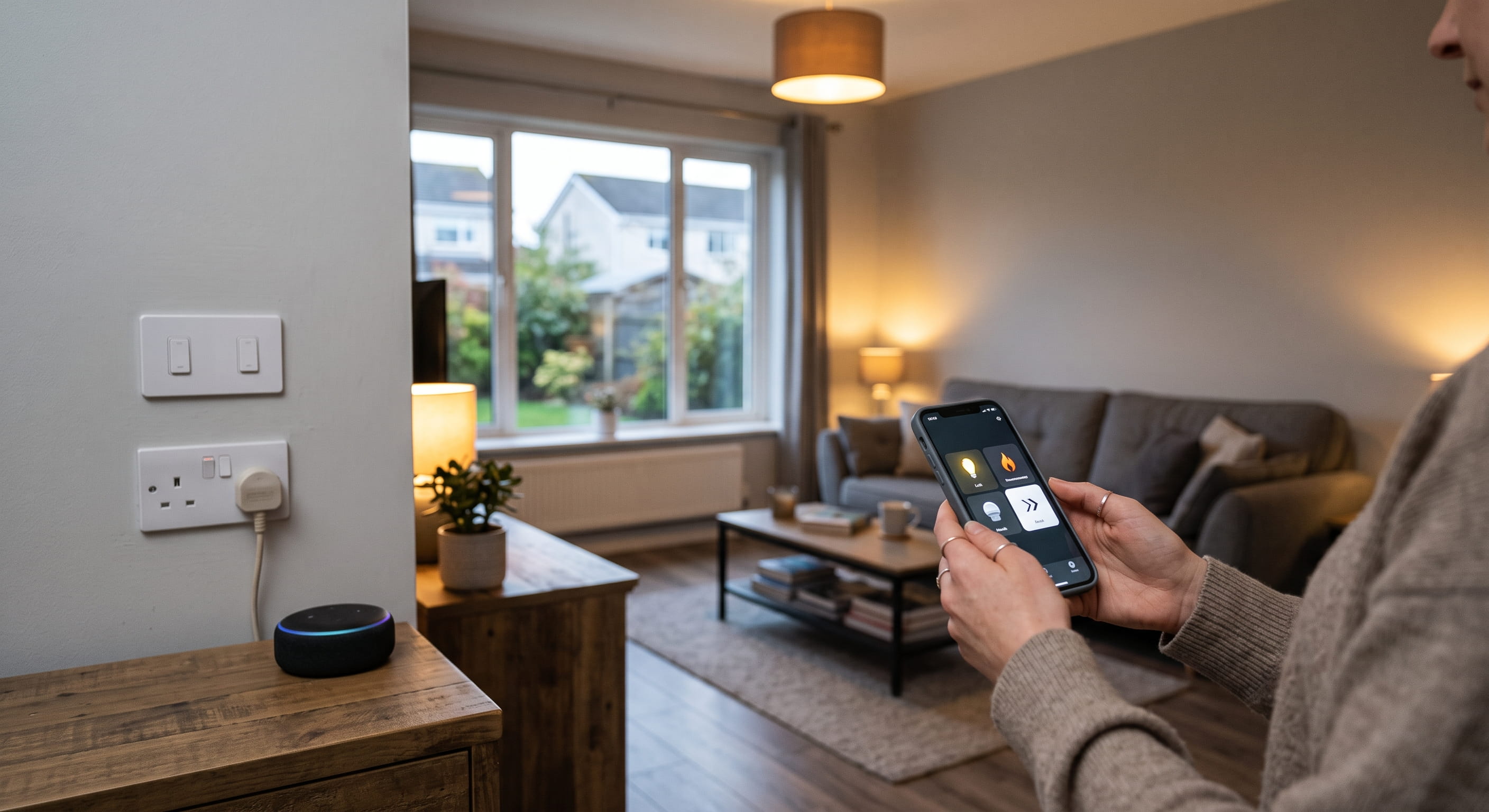
Plan ahead for additional appliances, smart devices, or potential layout changes. Adding a few additional sockets now avoids costly upgrades later.
Future-proofing helps your home stay functional as your needs evolve.
4. Focus on Safety Zones
Rooms like kitchens and bathrooms need special attention due to water and heat. Ensure sockets are installed at safe distances from sinks, hobs, and wet zones.
Using the correct protective devices keeps your system fully compliant and secure.
5. Use Double and USB Sockets Wisely
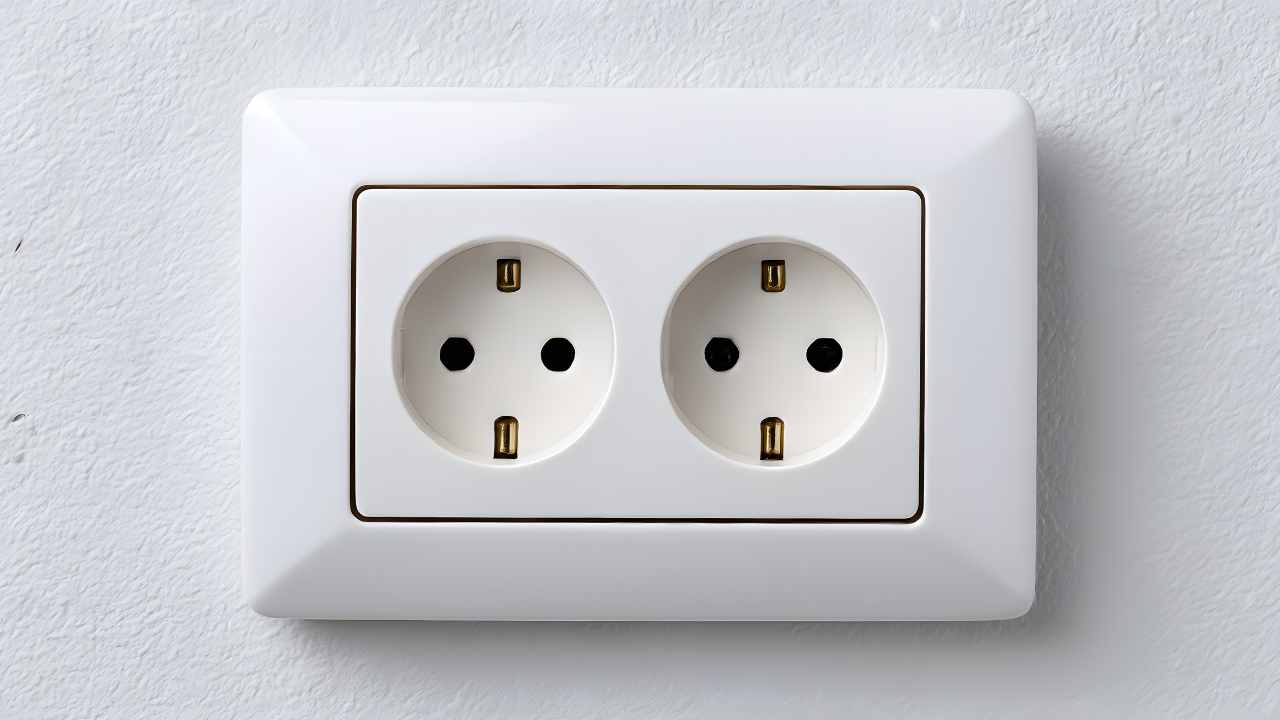
Including double sockets or USB charging points in high-use areas can make your home far more practical. These additions reduce clutter and free up traditional plug spaces. They’re especially useful in bedrooms, offices, and living rooms where multiple devices are used daily.
6. Avoid Overloading Key Areas
It’s common for people to cluster appliances in one part of a room, but this increases the risk of overloaded circuits. Spreading out sockets encourages safer usage and better cable management. A balanced layout also supports a cleaner, more organised living space.
What Type of Safety Standards and Electrical Regulations Must Be Considered?
When planning your home renovation, it’s essential to ensure your lighting and socket layout comply with the relevant safety standards and electrical regulations. These rules are in place to protect you from hazards such as electrical shocks, overloaded circuits, and fire risks.
Paying attention to regulations also ensures your installation is compliant, especially in areas such as kitchens and bathrooms, where additional restrictions apply. Proper placement of sockets, suitable protective devices, and safe wiring routes all contribute to a reliable system.
By understanding and following these requirements early in the renovation process, you avoid costly rework and create a safer, more efficient electrical setup for your home.
Conclusion
Choosing the right lighting and socket layout is essential for creating a home that feels comfortable, functional, and visually balanced. Throughout this guide on choosing the right lighting & socket layout for your home renovation, we explored how to plan lighting effectively, position sockets safely, follow regulations, and plan for future needs. With careful planning, your spaces become easier to use and more enjoyable to live in while remaining compliant and energy-efficient.
If you’re ready to bring your renovation plans to life, contact Unique Electrical today. Their expert team can help design and install a safe, practical, and beautifully finished electrical layout customised to your home.