If a solicitor, estate agent, or letting agent has asked you for an "electrical cert," you are in very good company, because it is one of the questions Irish homeowners ask most. Here is the short answer: no single law forces you to hold a certificate simply for owning a house, but the moment a sale completes or a tenant moves in, you will almost always need one. This guide explains which certificate is actually being requested, when you need it, and what it costs in 2026.
What people mean by "electrical cert"
The phrase covers two different documents, and knowing which one you need saves a lot of confusion.
The first is a Completion Certificate. This is issued by a Safe Electric Registered Electrical Contractor after new wiring or a modification, and it confirms the work meets IS 10101, the national wiring standard. You receive this when work has been carried out.
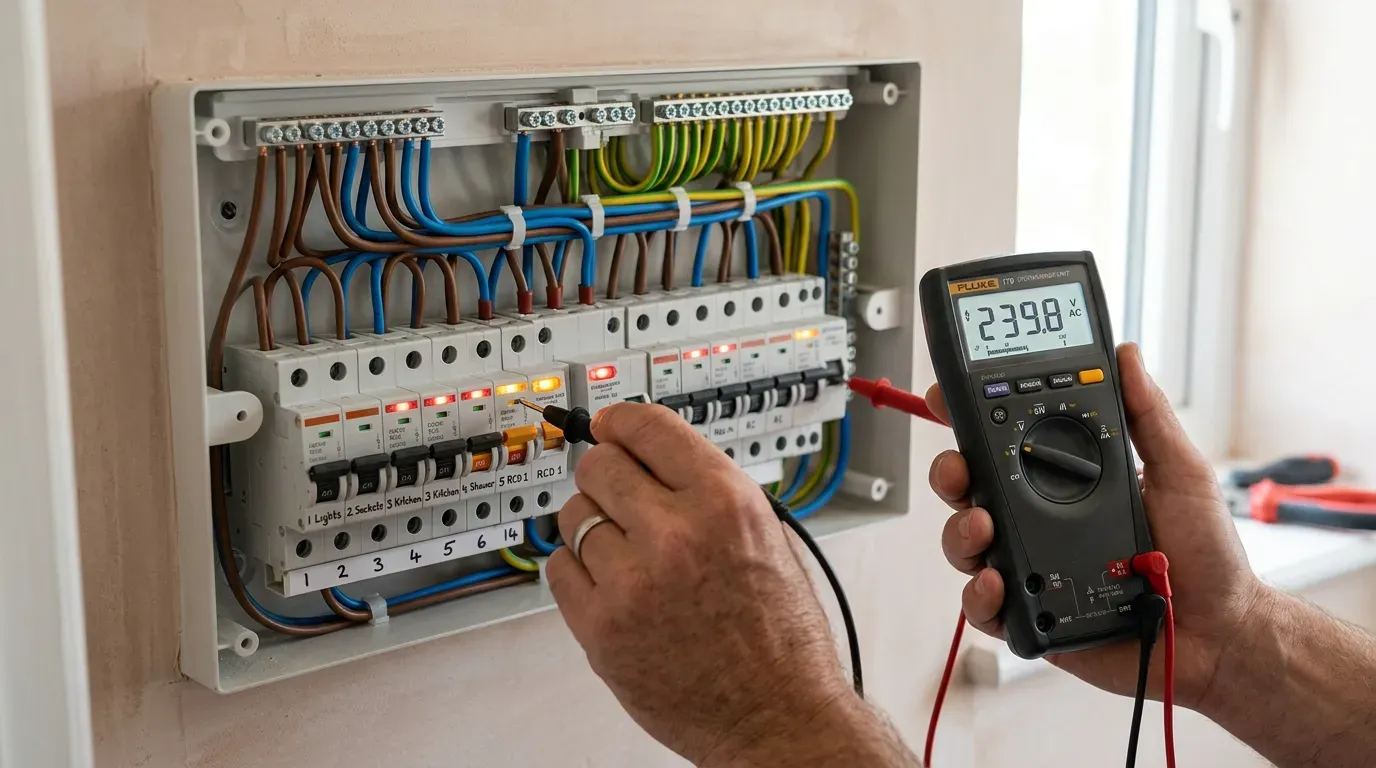
The second is an electrical condition report, also called a periodic inspection report. Rather than certifying a single job, it is a health check of the existing installation that grades the condition of your wiring, fuse board and circuits. You get this to prove the installation is safe right now.
For selling or letting, the electrical condition report is usually the document being asked for.
Do you need an electrical cert to sell a house?
There is no law that says you must produce an electrical cert to sell a home in Ireland. Conveyancing, however, has rules of its own. If electrical work was carried out on the property, the buyer's solicitor will look for the Completion Certificate for that work. So if you have had a rewire, an extension, or a fuse board upgrade and cannot find the paperwork, the sale can stall while it is tracked down or reissued.
A current electrical condition report is also a quiet advantage when selling. It tells a buyer the wiring is sound and will not need money spent on it the week they move in, which removes one more reason for them to hesitate or haggle.
Do you need one to buy a house?
If you are on the buying side, a pre-purchase electrical survey is one of the cheapest forms of insurance going. An older property with original wiring can need anything from a fuse board upgrade to a full rewire, and that is a figure worth knowing before you sign anything. An electrical condition report gives you exactly that picture, and a stronger position in the price negotiation if remedial work is flagged.
Do you need an electrical cert to rent out a property?
Landlords carry a clear duty here. Under the standards for rented houses regulations, every let property must have a safe electrical installation, and the wiring, fittings and any appliances you supply must be kept in good repair and safe working order.
Irish law does not set a single fixed inspection interval the way some countries do. In practice, though, most landlords and agents work to a satisfactory electrical condition report every few years, and again whenever there is any doubt at a change of tenancy. The reason is simple: if a tenant is ever injured by a fault you cannot show you checked for, that becomes your problem. A current electrical condition report is your evidence that you met your obligations.
What does an electrical condition report actually check?
A qualified electrician inspects and tests the whole installation, not just the obvious parts. That includes:
- The consumer unit (fuse board) and its protective devices
- Earthing and bonding, which form the safety backbone of the system
- Every circuit, tested for insulation resistance, polarity and earth fault loop impedance
- Sockets, switches and accessories, checked for damage or overheating
- RCD operation, the device that cuts the power fast enough to prevent a fatal shock
Each finding is graded by how serious it is, from an immediate danger that must be made safe without delay, through items that are potentially dangerous, down to minor improvements that are only recommended. If anything serious is found, the report is treated as unsatisfactory until it is put right. A good electrician will explain each finding in plain English so you understand exactly what it means for your sale or tenancy.
What does an electrical cert cost in 2026?
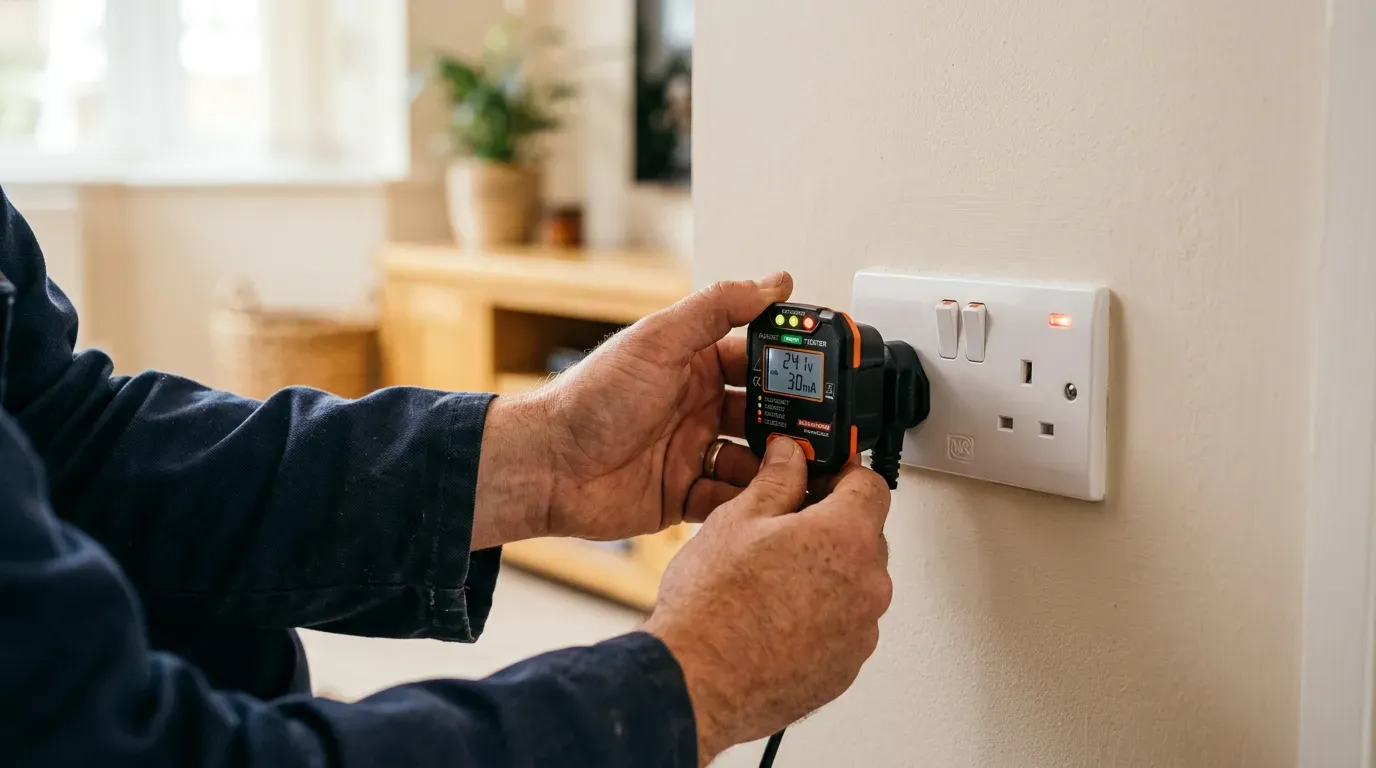
An electrical condition report on a typical three-bed house takes around two to three hours and costs roughly €200 to €350, depending on the size of the property and how the installation is laid out. If the report flags remedial work, a reputable contractor will price that separately and clearly, so you can decide what happens next with the full picture in front of you. You are never obliged to have the same contractor carry out any follow-up work.
How to get your cert sorted
Always use a Safe Electric registered contractor. Only a registered contractor can issue a valid Completion Certificate, and a proper electrical condition report comes with full test results rather than a one-line "pass". A registered electrician tests with calibrated instruments and can usually turn the report around quickly, which matters when a sale or a tenancy is waiting on it.
If you are not sure which certificate you actually need, the easiest thing to do is send the request from your solicitor or agent to a registered electrician and ask them to tell you straight.