Let’s be honest, most of us want to lower our electricity bills, especially with prices rising again in 2026. The truth is that you do not need expensive upgrades or complicated changes to see real savings. Simple habits such as turning off lights, unplugging devices, washing clothes at lower temperatures, and keeping your thermostat at a sensible setting can make a quick difference. When you add energy-efficient appliances and better insulation and avoid using high-energy items like tumble dryers, your bills start to fall naturally.
As energy costs continue to increase, finding practical ways to use less power has become more important for every household. The good news is that small, everyday changes are usually enough to make your home more efficient without feeling restricted.
In this guide, we share ten of the best and easiest tips you can use in 2026 to keep your electricity bills under control.
How To Reduce Electricity Bills In 2026: 10 Best Tips

Before we explore each tip, it is helpful to understand how small daily habits can make a real difference to your electricity usage. With a few sensible changes, you can reduce waste, lower your bills, and make your home more efficient throughout the year.
These simple adjustments are easy to follow and fit naturally into everyday routines, making them practical for any household.
1. Buy Energy-Efficient Appliances
Choosing appliances that use less electricity can make a real difference over time, especially as older models often need more power to do the same tasks. When replacing items like fridges, freezers or washing machines, newer options usually run more smoothly and use noticeably less energy.
Keeping your fridge-freezer in a cooler spot, such as away from direct sunlight or heat sources, also supports better efficiency. Cleaning condenser coils every so often and leaving some space behind the appliance allows air to circulate properly, helping it run effectively without wasting electricity.
2. Control Your Thermostat
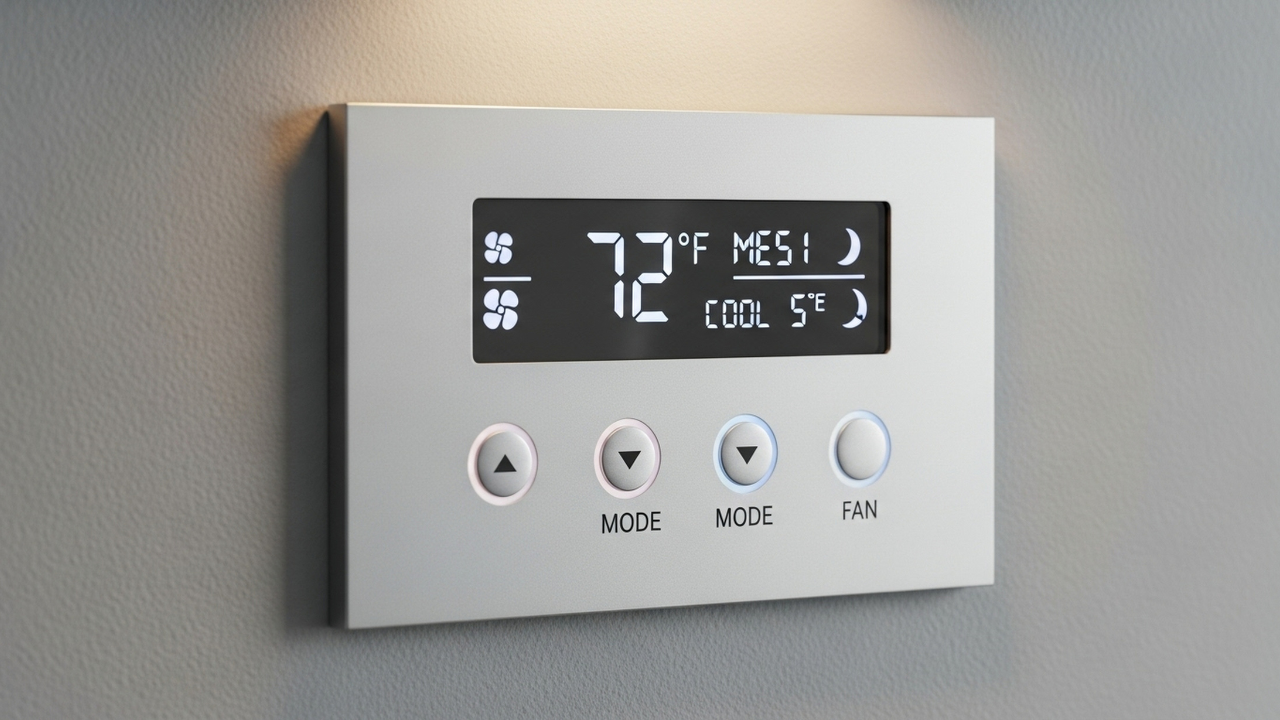
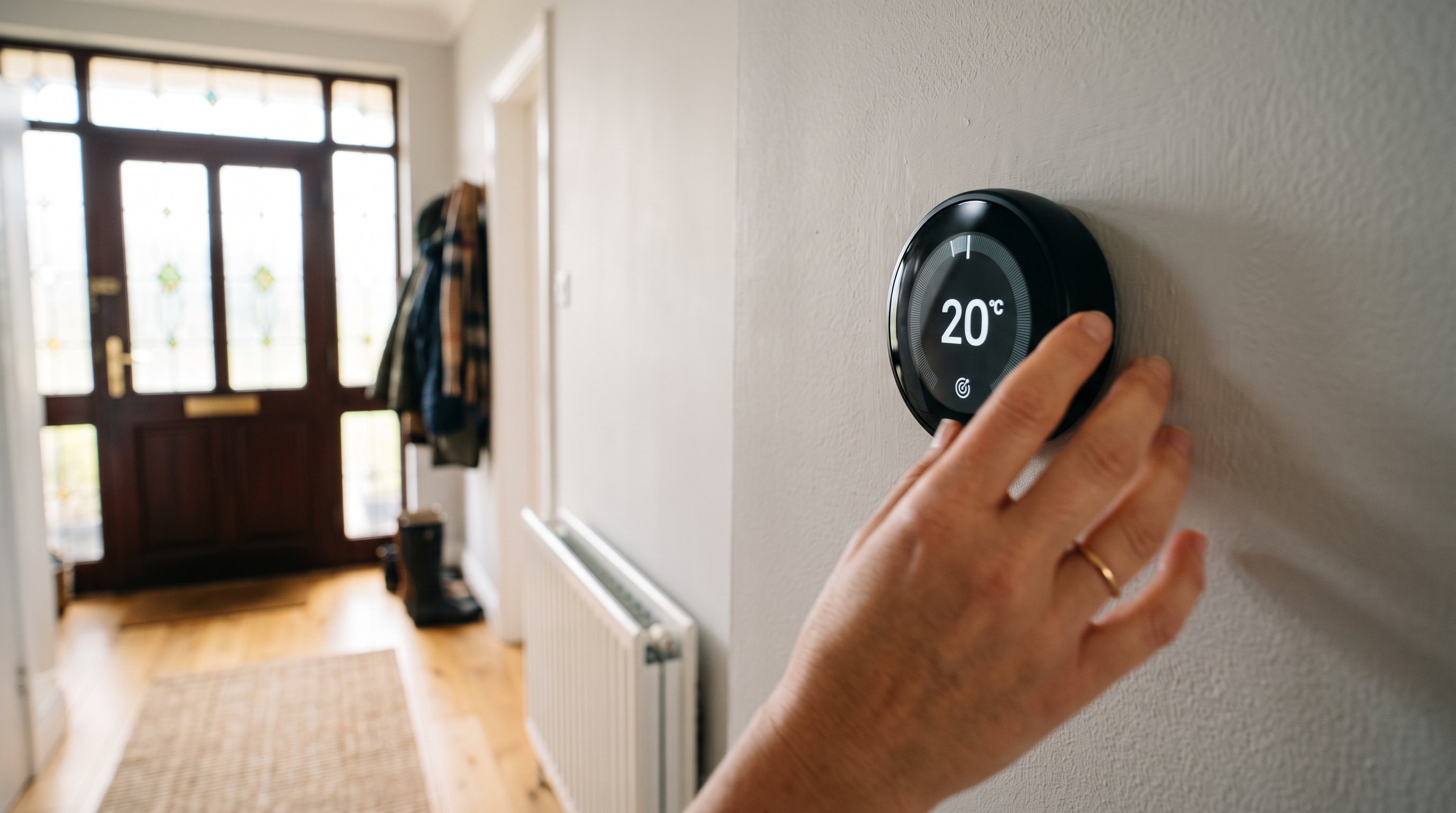
Heating and hot water account for a large part of household energy use, so managing your thermostat carefully can make a meaningful difference. Lowering your thermostat by one degree can reduce heating bills by up to 10 percent, which is a significant saving with very little effort.
Setting heating to around 65°C helps avoid using more energy than you need. Sealing windows and doors, and closing curtains at night, helps keep warmth inside, while keeping curtains and blinds clear of radiators allows warm air to move through the room more easily.
3. Unplug Devices
- Many appliances continue to draw electricity even when switched off, which means energy is wasted throughout the day.
- Items such as TVs, laptops, desktop computers, gaming consoles, Hi-Fi systems, set-top boxes, digital radios and mobile chargers are often left in standby mode and continue to use power.
- Turning these devices off at the wall is a simple way to reduce unnecessary electricity use, and in a busy home with many gadgets, this habit can lead to steady long-term savings.
4. Add Insulation
Improving insulation makes it easier for your home to maintain a comfortable temperature throughout the year. By insulating the loft, walls and windows, you help keep heat inside during winter and prevent excess warmth during summer.
Closing curtains at night adds another layer of protection, helping reduce heat loss. Even simple steps, such as sealing small gaps around windows or doors, support your existing insulation and contribute to lowering your energy use without much effort.
5. Avoid the Tumble Dryer
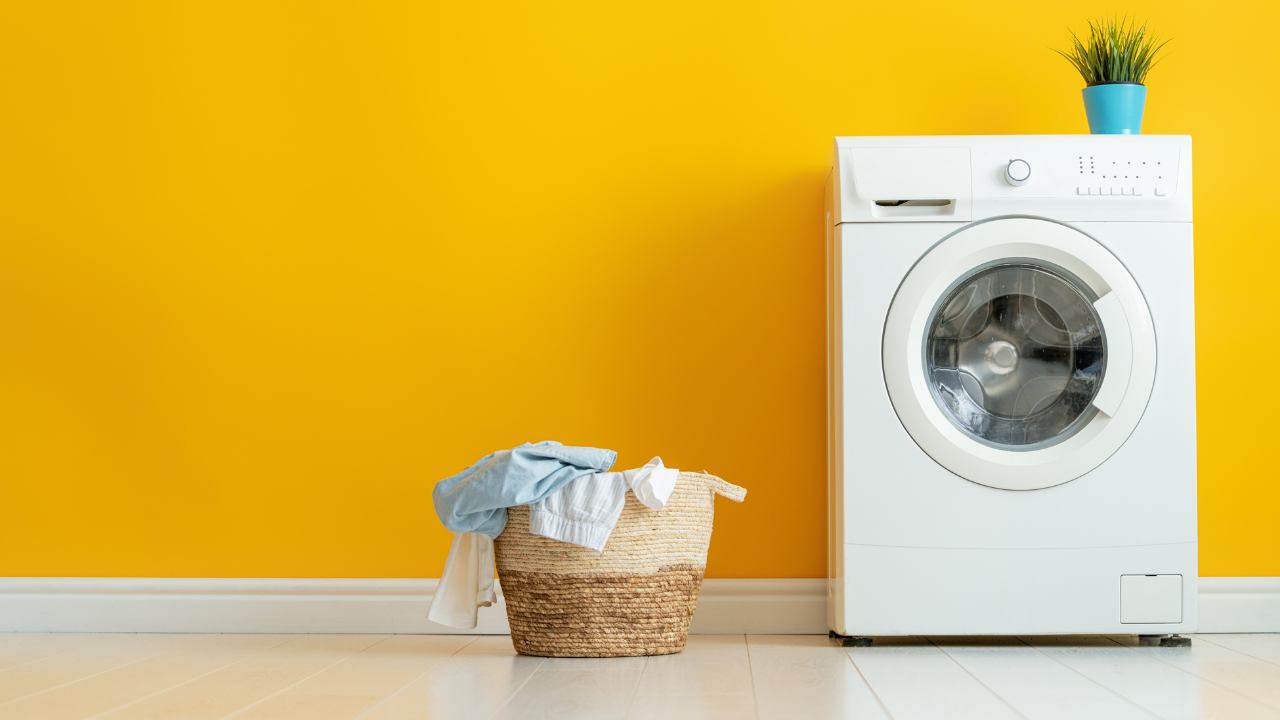
Tumble dryers use a large amount of electricity and can add noticeably to your bill. Drying clothes outdoors when the weather allows is a simple way to cut down energy use.
On wet days, using an indoor clothes horse avoids the high electricity use of a dryer. Cutting back on prewash cycles, washing at 30°C and choosing liquid detergent all reduce energy use further. Running full loads and using your washing machine’s eco programme can save up to 30 percent of the energy normally used.
6. Fill Your Dishwasher
- Running the dishwasher only when full helps you get the best use out of every cycle and avoids unnecessary energy use.
- In the kitchen, heating only the water you need, choosing the microwave, slow cooker or air fryer instead of the oven, and keeping pan lids on while cooking all support lower electricity use.
- Matching pans to burner size and defrosting food in advance can make everyday cooking more efficient without changing your routine too much.
7. Leave Your Thermostat Alone
Frequently adjusting the thermostat causes your heating system to work harder, which can lead to increased energy use. Keeping it at one sensible temperature helps your home stay comfortable and prevents sudden rises in usage.
Using simple heating timers ensures your home warms up when you need it, such as 30 minutes before getting up, and switches off before you leave. Radiators also stay warm for a while after heating turns off, helping you maintain comfort without using extra power.
8. Turn Off Lights
Turning off lights when leaving a room is one of the easiest ways to save electricity during the day. Replacing old bulbs with LED options lowers electricity use even more, as LEDs use far less power and last much longer.
These small habits, when followed daily, can help reduce your overall energy bill without changing your lifestyle.
9. Wash Clothes at Lower Temperatures
Washing clothes at 30°C uses less electricity, as your machine does not need to heat the water as much. Liquid detergent works well at lower temperatures, helping your clothes come out clean while using less power.
Avoiding prewash cycles and choosing eco programmes reduces consumption even further. Running full loads means your washing machine is working efficiently rather than using extra electricity for smaller amounts of laundry.
10. Take Shorter Showers
- A standard shower uses much less energy than filling a bath, often around 80 percent less, because far less hot water is needed.
- Shortening your shower time and reducing the pressure on a power shower can help lower usage even further.
- If you prefer baths, keeping them shallow helps reduce the amount of hot water required, which lowers the overall energy used during each wash.
Conclusion
Reducing your electricity bills in 2026 becomes much easier when you focus on small, everyday habits and make better use of the appliances already in your home. From adjusting your thermostat and cutting shower time to running full loads and choosing energy-efficient appliances, each step helps you lower costs without making major changes to your routine.
If you would like expert guidance or need help improving your home’s energy use, Unique Electrical is ready to assist. Their friendly team can offer advice, practical solutions and support to help you save even more throughout the year.