Planning the electrics for a home extension is just as important as deciding on layout or design. Power requirements often increase in new spaces, especially where modern appliances, heating systems, and lighting are involved.
Without proper planning, extensions can end up with poorly placed sockets or overloaded circuits. Thinking ahead helps create a space that is safe, practical, and easy to live in.
In this blog, we will explore “How to Plan Power for Home Extensions: Sockets, Circuits, Heating and Lighting Layout”, explains what to consider at each stage to avoid costly changes later on.
Let’s start!
Why Does Electrical Planning Matter in a Home Extension?
Electrical planning plays a vital role in how practical and comfortable a home extension will be once completed. Power requirements are often higher in new spaces, especially where kitchens, home offices, or additional living areas are involved. Without proper planning, everyday use can quickly become inconvenient.
Well-planned electrics help ensure sockets, lighting, and heating are positioned where they are actually needed. This reduces reliance on extension leads and avoids awkward layouts that limit how the space can be used. Good planning also supports safe load distribution across circuits.
Planning electrics early helps prevent costly changes later. Once walls and ceilings are finished, making adjustments can be disruptive and expensive. Early decisions support safety, efficiency, and long-term flexibility.
How To Plan the Electrical Layout for Your Home Extension?
A well-designed electrical layout ensures your new space is safe, practical, and easy to use. Planning power, lighting, and heating together helps avoid limitations once the extension is complete.
1. Socket Placement
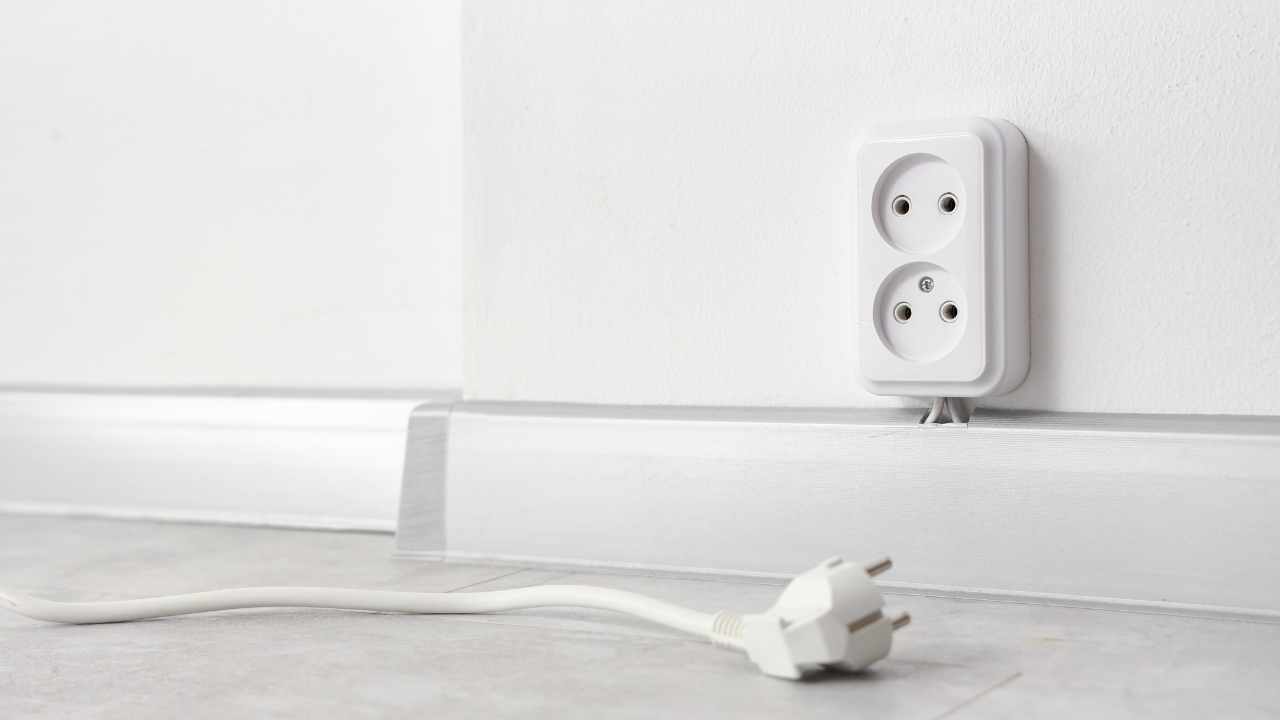
Sockets should be positioned based on how the space will be used day to day. Consider furniture layout, appliances, and work areas when deciding locations.
Adding extra sockets reduces the need for extension leads. Planning ahead helps keep the space flexible.
2. Circuit Design
Proper circuit design prevents electrical overload and improves safety. Extensions often require new circuits to handle increased demand. Separating lighting, sockets, and heating circuits supports reliable performance. This approach also makes future upgrades easier.
3. Heating Power Needs
Heating systems require careful power planning, especially for electric or underfloor heating. Load requirements should be assessed early to avoid strain on existing systems.
Zoning controls improve comfort and efficiency. This helps manage energy use more effectively.
4. Lighting and Switching
Lighting should balance practical and ambient needs within the extension. Switches must be placed where they are easy to access. Dimmers and multiple switching options add flexibility. Good lighting design enhances both comfort and usability.
Why Future-Proofing Your Electrical Setup Is Important?
When planning electrics for a home extension, it is important to think beyond immediate needs. Technology and household energy use continue to change, and your electrical setup should be able to adapt. Allowing for extra capacity now can prevent costly upgrades later.
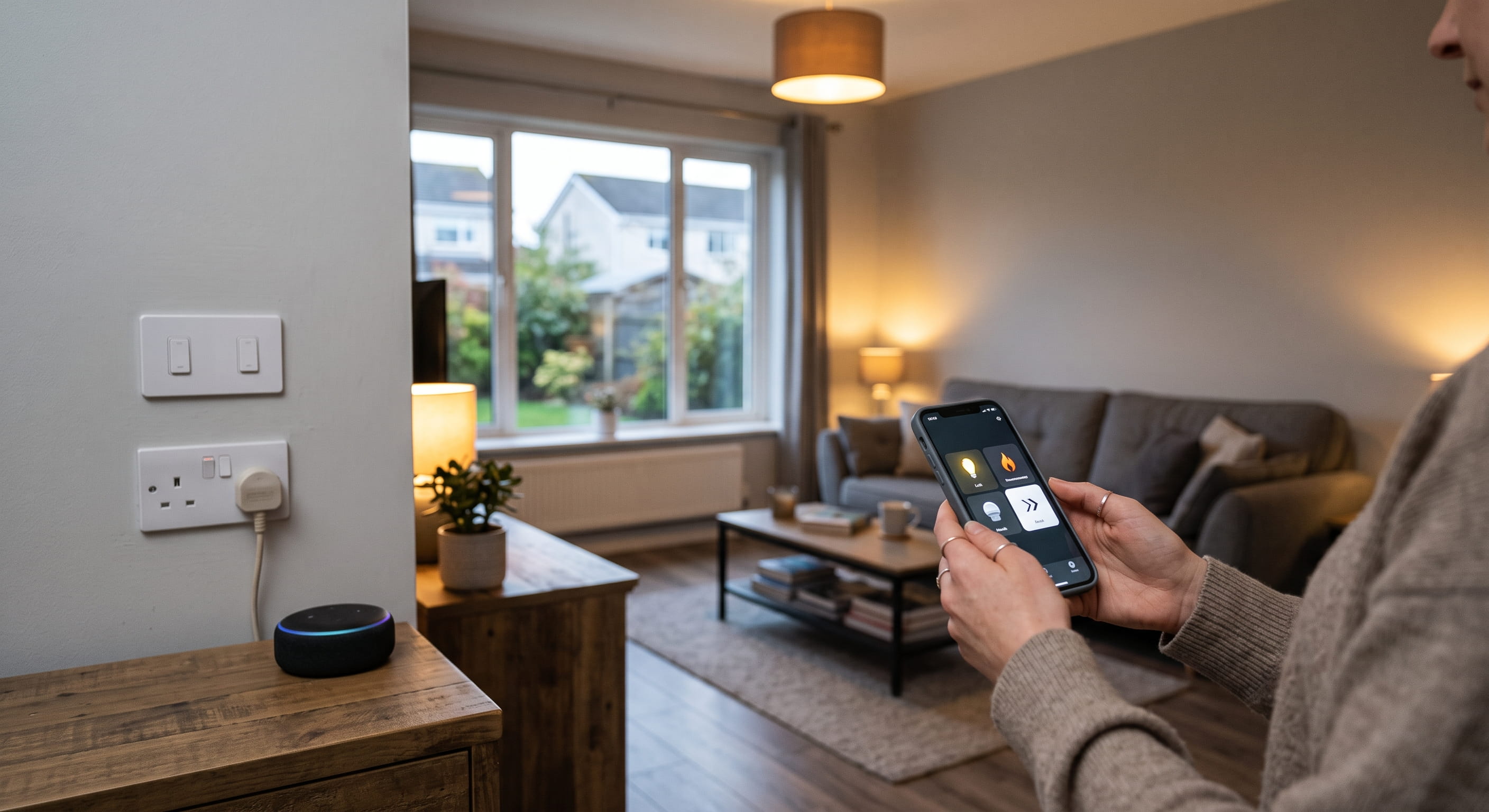
Future-proofing may include preparing for electric vehicle charging, solar panels, or battery storage. Additional circuits or spare capacity in the consumer unit make it easier to add new systems. Smart controls and data points can also support modern living.
Planning flexibility into the electrical layout helps protect your investment. Simple steps taken early allow the extension to remain practical and efficient for years to come.
What Are The Common Electrical Mistakes to Avoid in Home Extensions?
Small electrical oversights during an extension can lead to inconvenience, safety risks, and extra costs later on.
Being aware of common mistakes helps ensure the electrical setup supports the space properly.

1. Underestimating Power Requirements
New extensions often need more power than expected. Failing to plan for increased demand can overload existing circuits. This may lead to frequent tripping or poor performance.
2. Poor Socket Placement
Sockets placed without considering furniture and usage can be impractical. Relying on extension leads increases clutter and safety risks. Planning layouts early avoids this issue.
3. Inadequate Lighting Design
Insufficient lighting can make new spaces feel dark and uncomfortable. Poor switch placement also affects usability. A balanced lighting plan improves both function and atmosphere.
4. Ignoring Future Needs
Focusing only on current requirements limits flexibility. Future additions, such as EV chargers or smart systems, may be harder to install later. Allowing spare capacity helps avoid rework.
5. Delaying Electrical Planning
Leaving electrical decisions until late stages often causes problems. Changes after walls are finished are disruptive and costly. Early planning supports smoother project delivery.
Conclusion
Careful electrical planning is essential to ensure a home extension is safe, practical, and future-ready. As outlined in this guide, thinking ahead about socket placement, circuit design, heating power, lighting layout, and future needs helps avoid inconvenience and costly changes later on. Well-planned electrics improve everyday comfort and support long-term flexibility as household demands change. This overview of “How to Plan Power for Home Extensions: Sockets, Circuits, Heating and Lighting Layout” is intended to help homeowners make informed decisions at the right stage of their project.
If you are planning an extension and want professional electrical advice and installation, contact Unique Electrical today to discuss your requirements and ensure everything is done correctly from the start.